Production No.2
Cascahuin
El Arenal, Jalisco
2026
Production Record
-
Agave Variety
Farm
Farm Location
Harvest Date
Agave Age
Quantity Harvested
Average Brix
Production NotesDescription text goes here -
Fermentation Vessel
Water Source
Fermentation Duration
Bagasse
Yeast
Starting Brix
Final Brix
Production NotesDescription text goes here -
Cooking Method
Oven Type
Fuel Source
Cooking Duration
Cooling Duration
Courtyard Rest Duration
Cooked Agave Brix
Agave Preparation Method
Production NotesDescription text goes here -
Extraction Method
Tahona %
Roller Mill %
Mazo %
Hand Milled %
Bagasse Utilized
Extraction Duration
Water Utilized During Milling
Production Notes -
Distillation Method
Still Type
Number of Distillations
Material
First Distillation Proof
Second Distillation Proof
Still Strength
Heads Cut Method
Tails Cut Method
Distillation Duration
Production Notes -
Resting Vessel
Resting Duration
Stainless Steel Duration
Glass Rest Duration
Barrel Type
Barrel Origin
Previous Barrel Contents
Barrel Toast Level
Barrel Fill Date
Barrel Fill Proof
Number of Barrels
Barrel Size
Environmental Conditions
Roasted Agave in Barrel
Blending Details
Bottling Date
Production Notes -
How does the maestro determine maturity?
How does the maestro know fermentation is complete?
How are distillation cuts determined?
What lessons were passed down?
What observations were made during production?
What would the maestro want future generations to know about this production?
Spirit
Tequila
Distillery
Cascahuín
Location
El Arenal, Jalisco
Production
No.2
Liters
1603
Harvest
February, 2026
Agave
Blue Weber
Region Farmed
Guanajuato
Age
7 Years
Production Type
AD Production
Status
Active Archive
THE STORY
Our 2nd production in 5 years with the team at Cascahuin. We have asked a lot of them, this time around, as we push the boundaries for expanding our own knowledge. The patience shown us and willingness to take the time to explore different elements of production and aging is incredible given how busy and how demanding their own operations require.
I think this is the story of this production for us, the teamwork, partnership and sense of this being our production home. It has been said to us a few times over the years by ownership and staff that we should feel as if Cascahuin is our home, and their words are true.
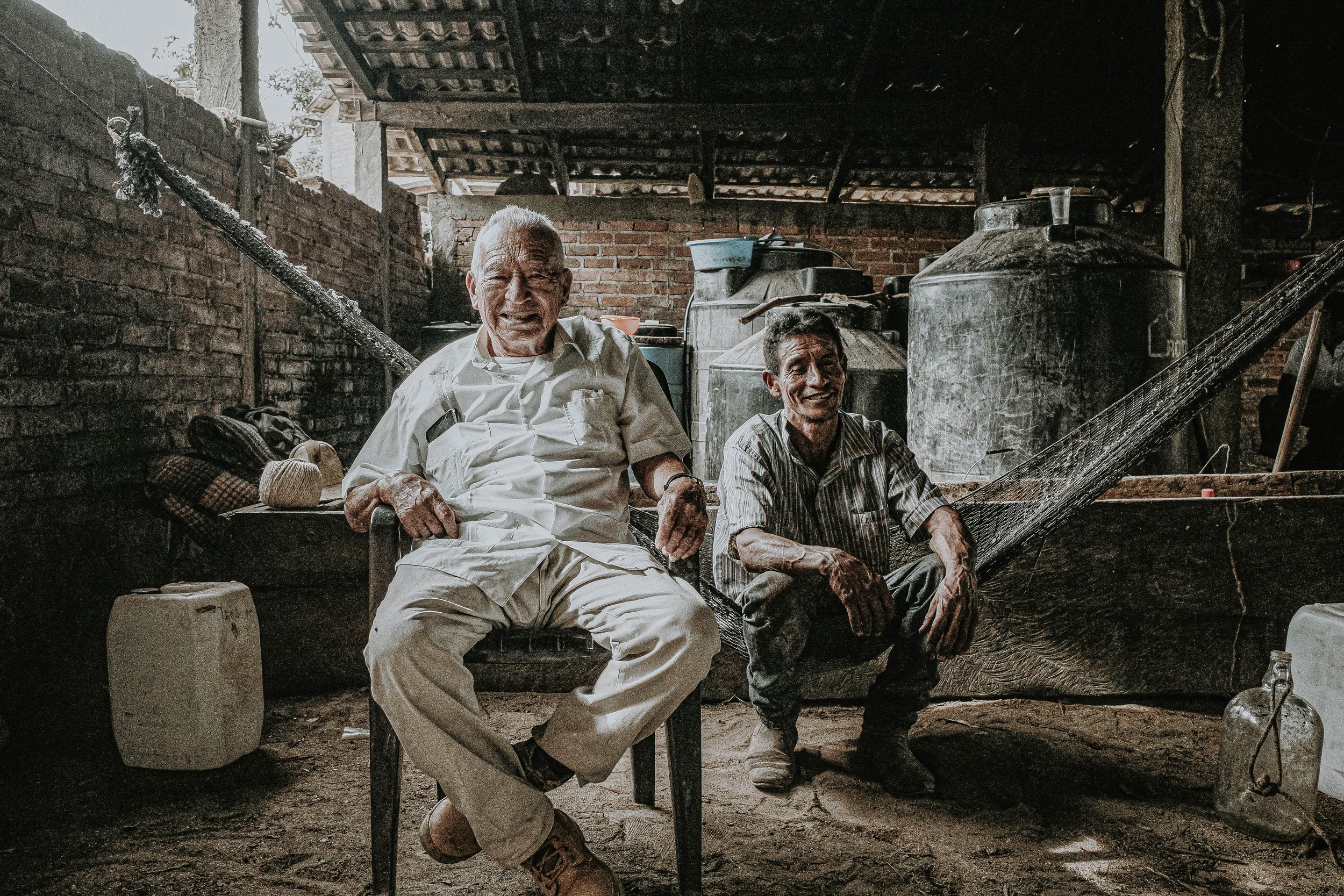
The People
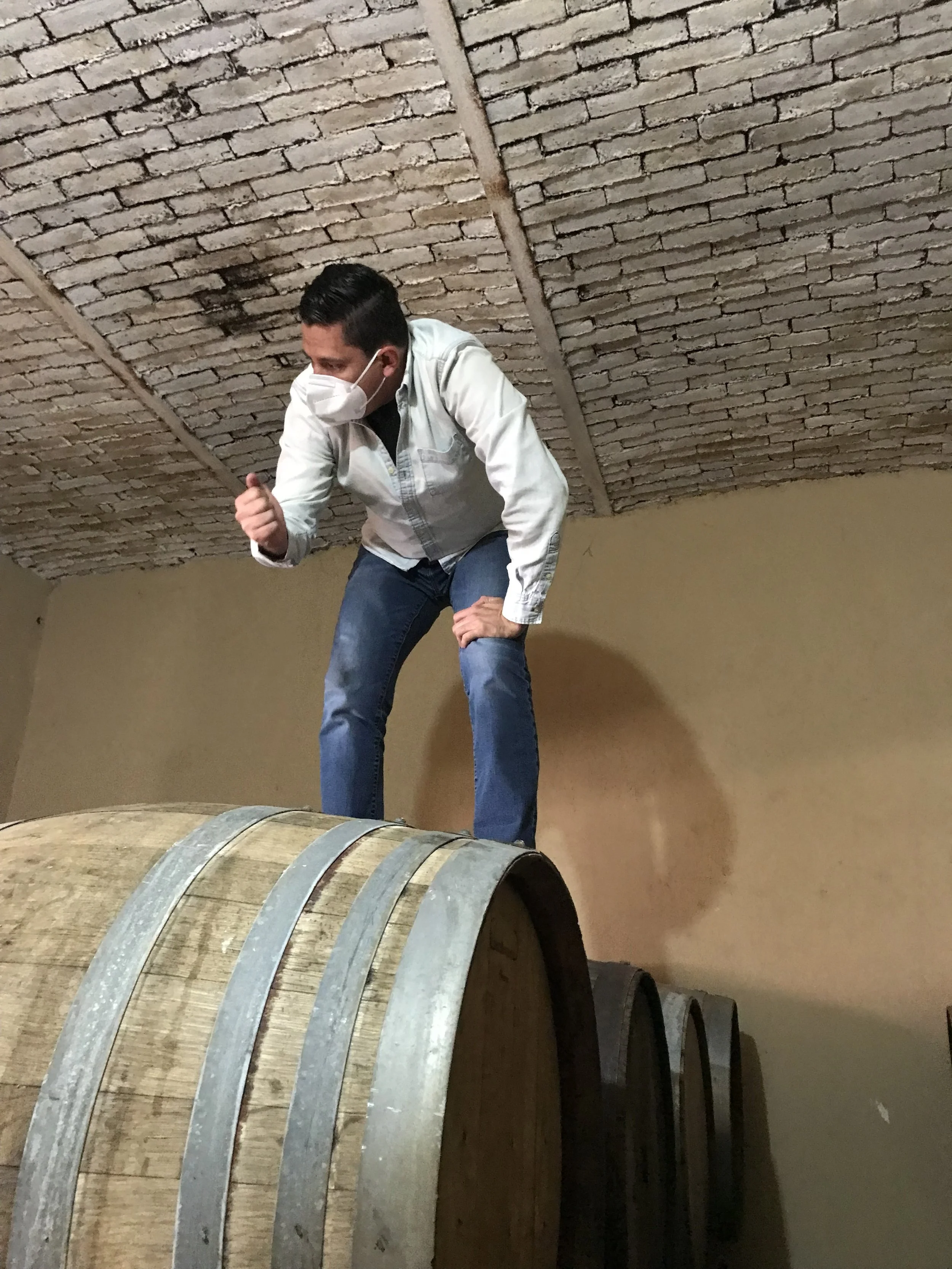
Chava
Master Distiller - Owner
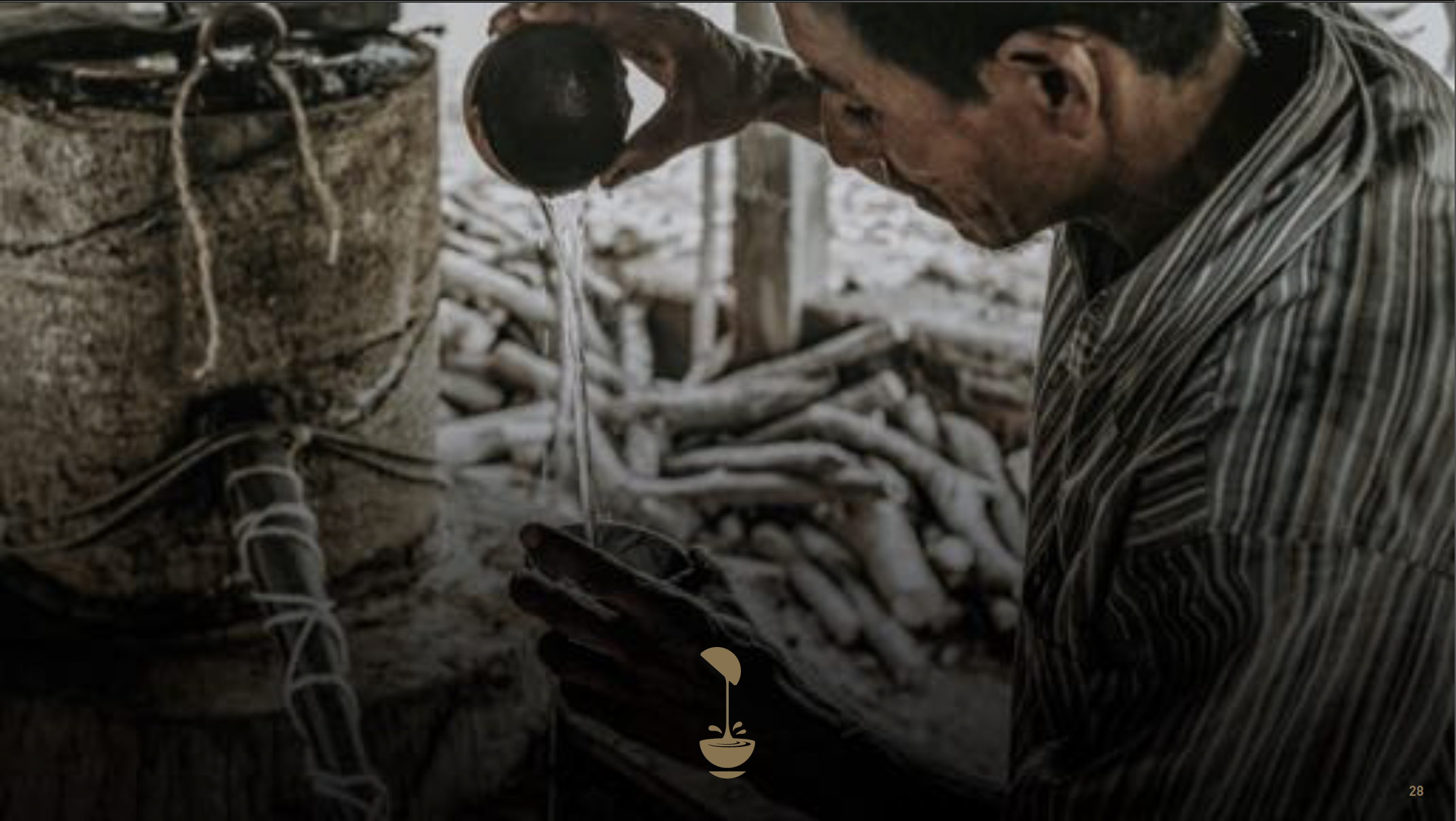
Benjamin
Master Distiller
Cascahuin Team
Dany
Master Distiller
The Process
AGAVE
↓
COOKING
↓
EXTRACTION
↓
FERMENTATION
↓
DISTILLATION
↓
RESTING
↓
BOTTLING
THE LIQUID
THE LIQUID
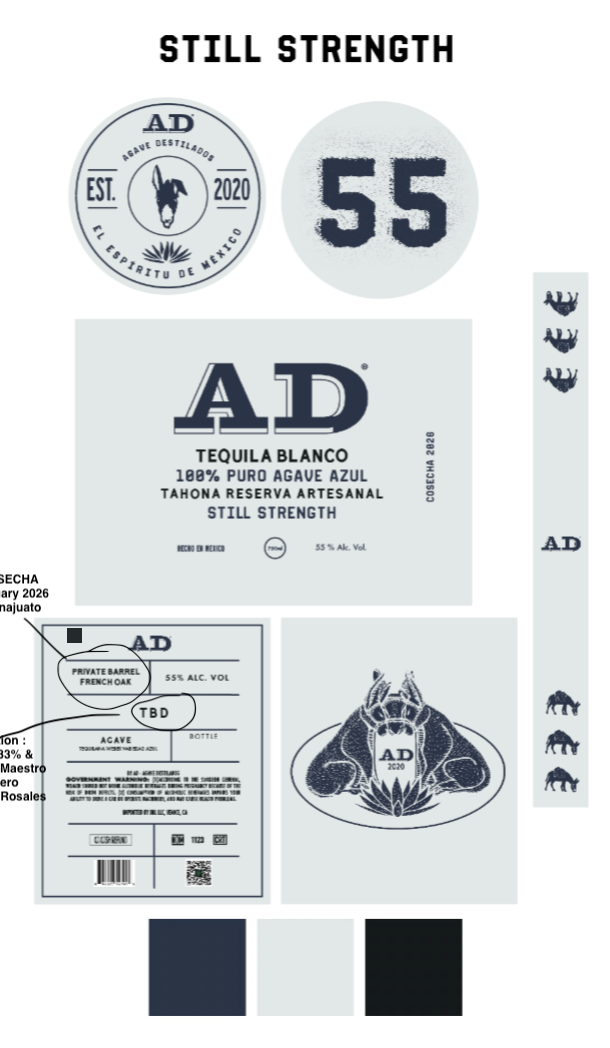
Blanco
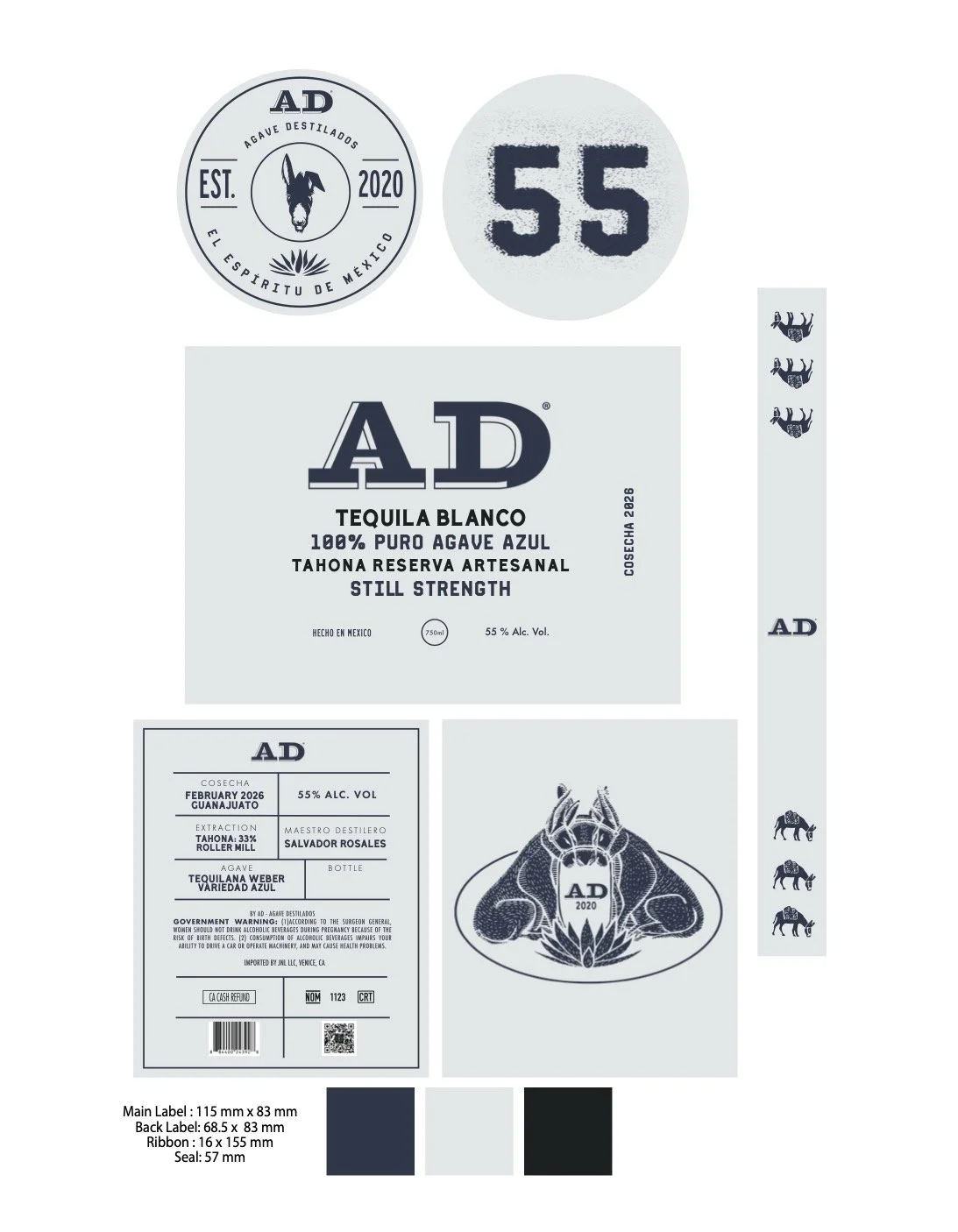
57%
Produced: 600L
Still Strength rested in glass.
Liquor Library
Collaboration 47%
Blanco at Still Strength
55%
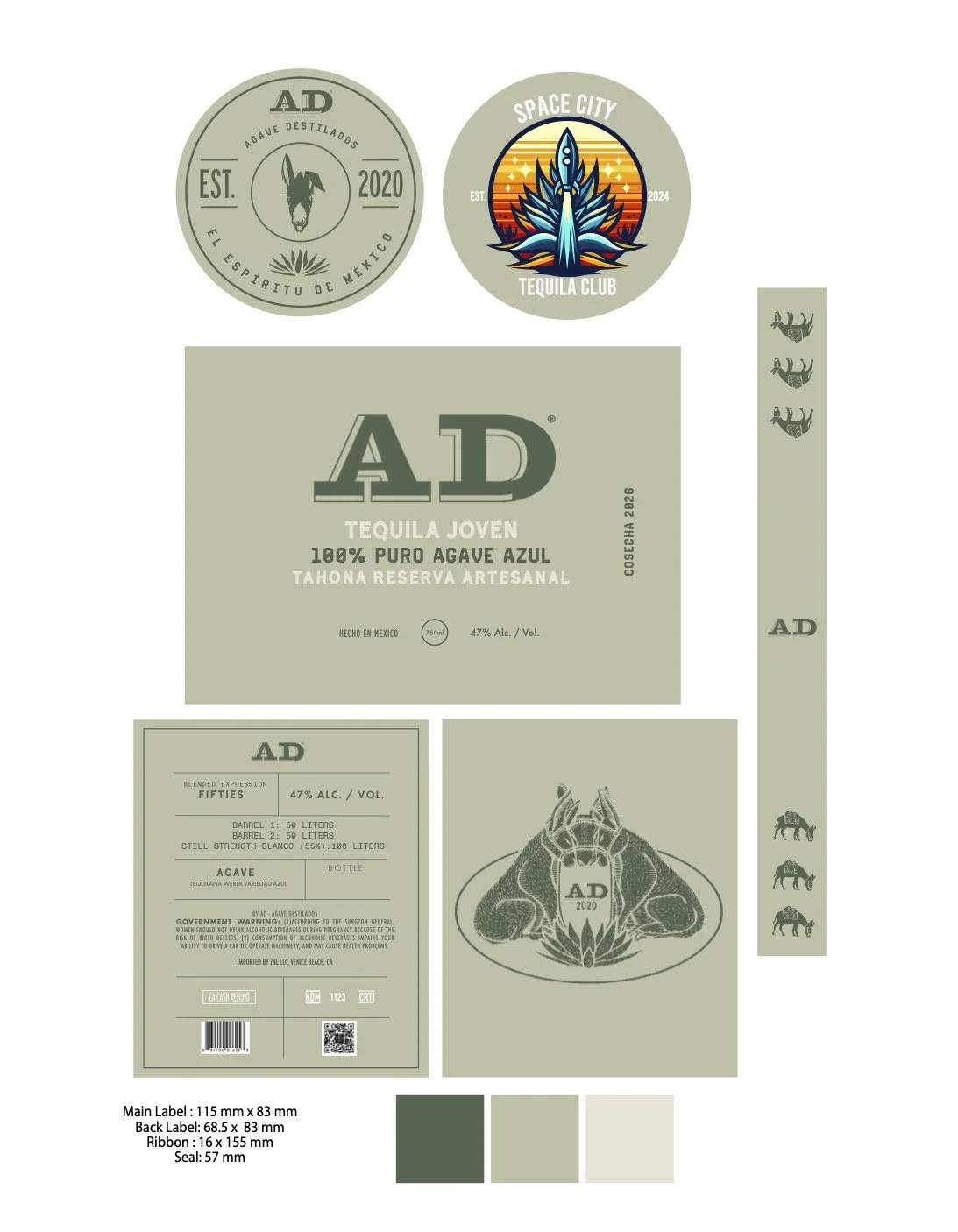
Space City
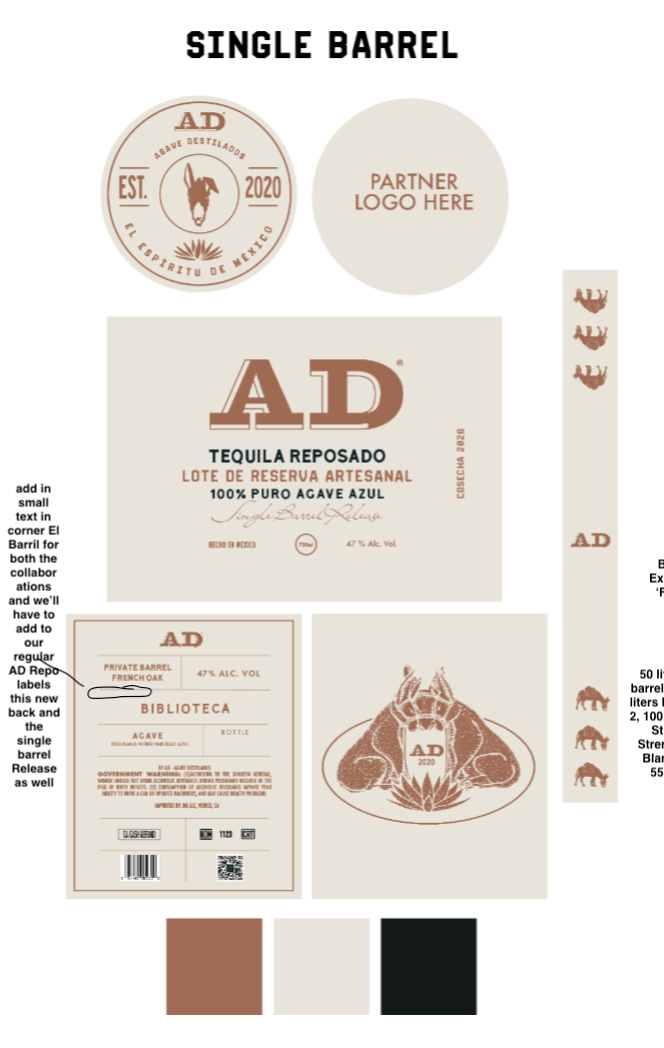
Collaboration 47%
SINGLE BARRELS
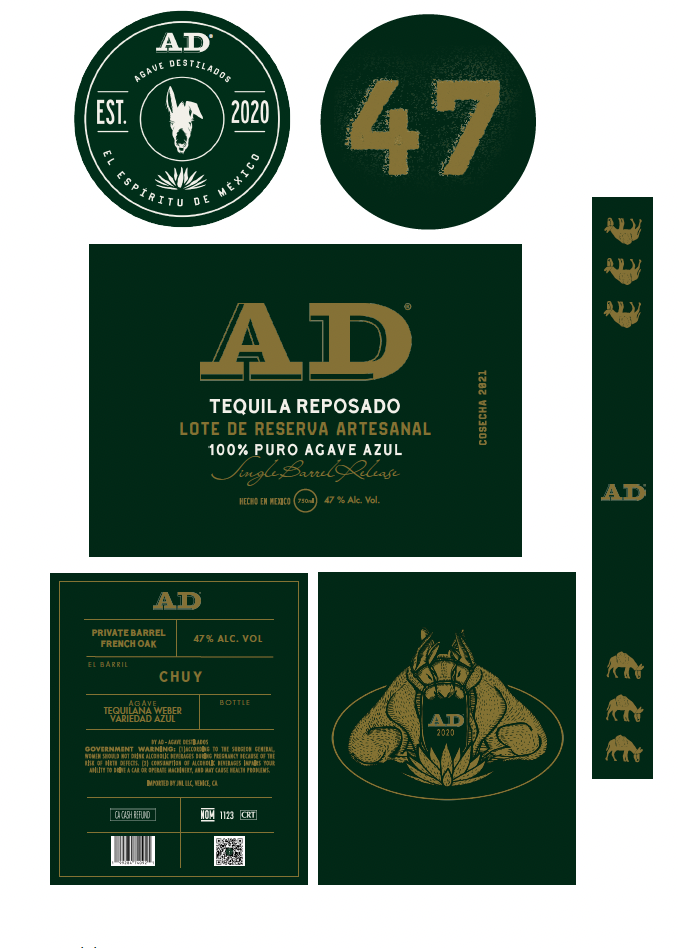
AD Repo ‘Chuy’
47%
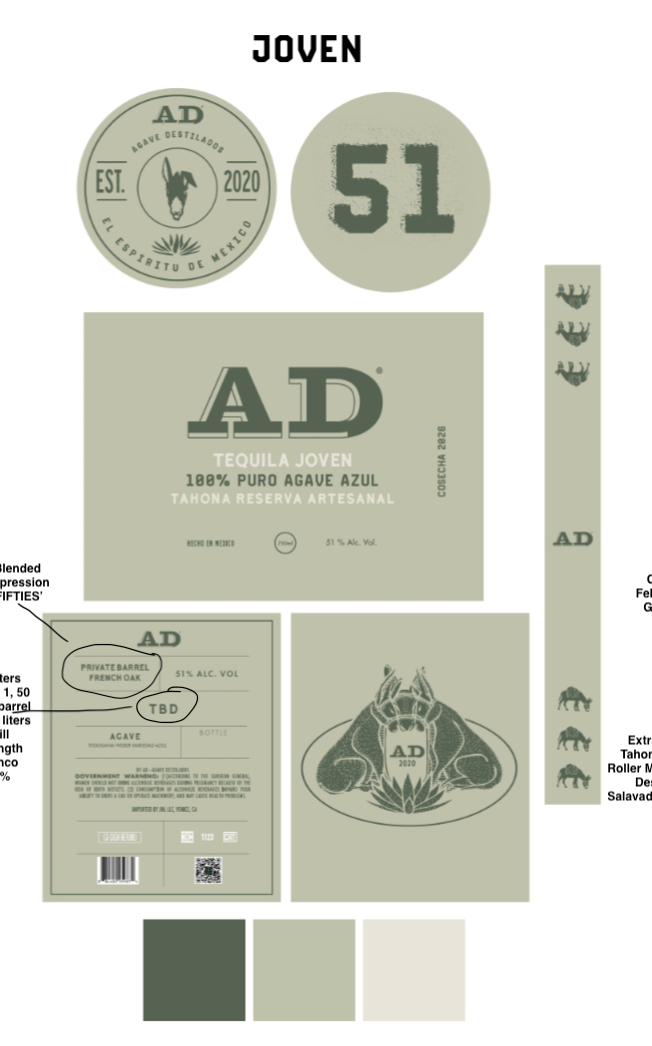
JOVEN
AD Joven
51%
Blanco at Still Strength
55% Buried in glass at Cascahuin
AD Repo ‘El Negrito’
47%
GALLERY
JOURNAL
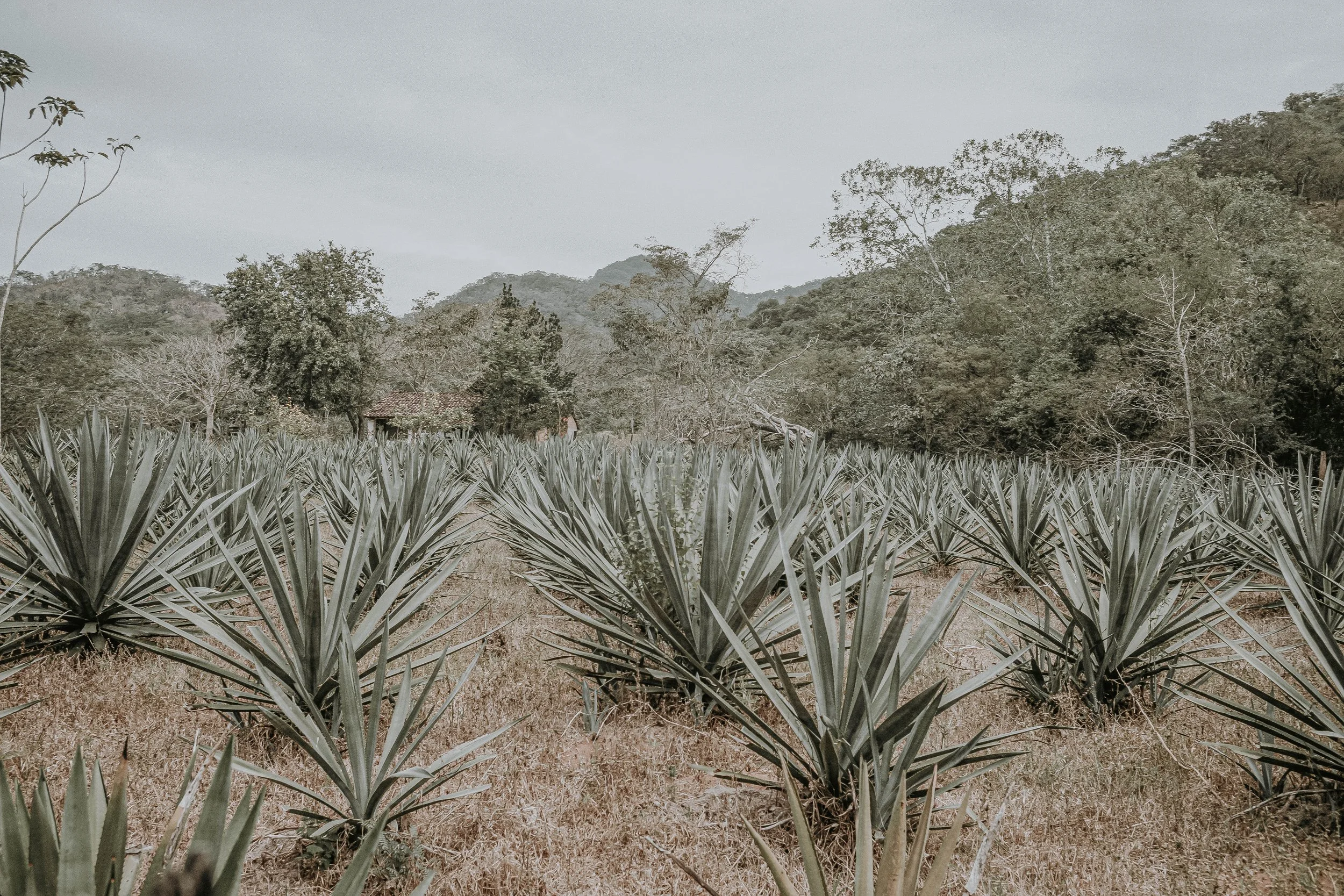
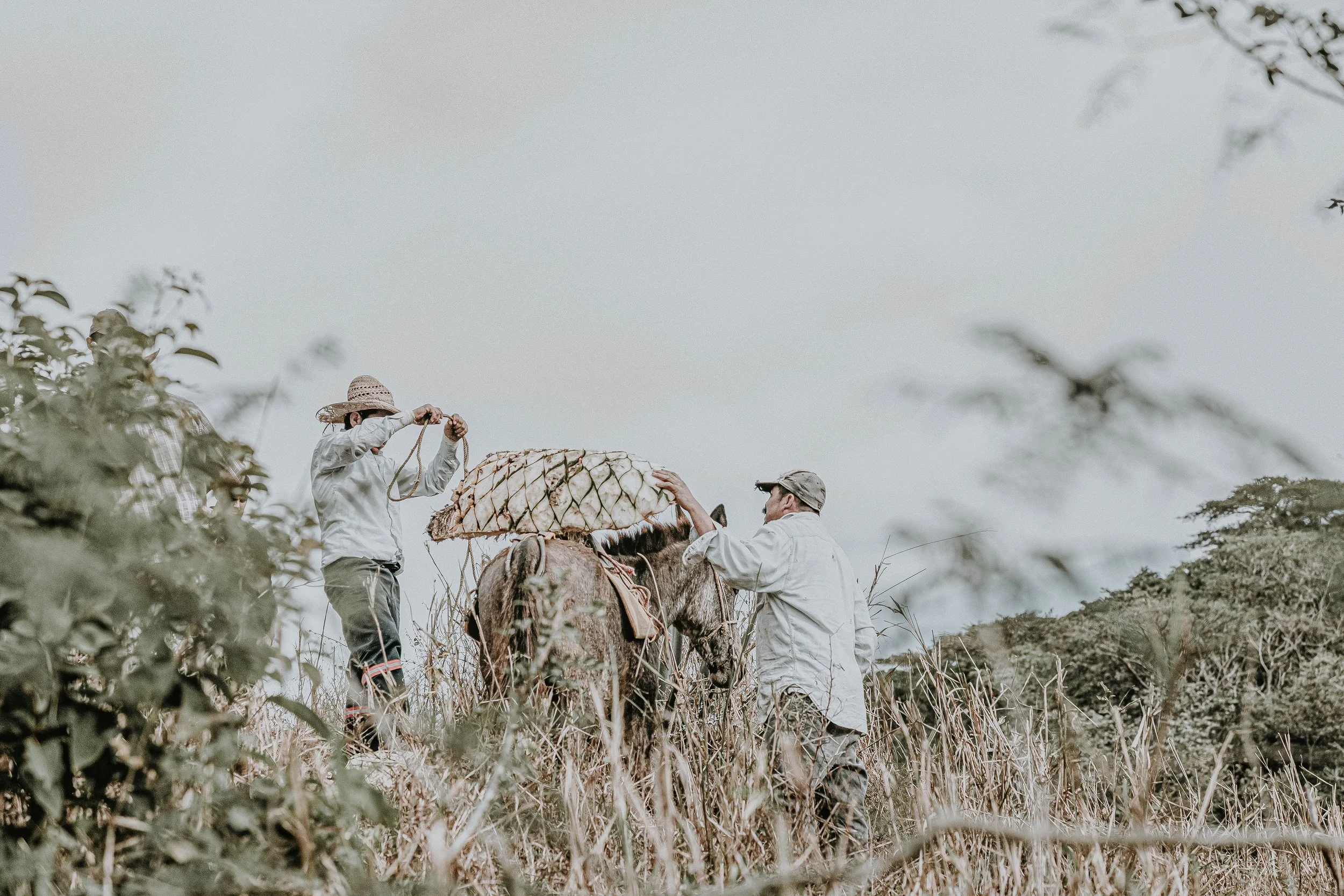
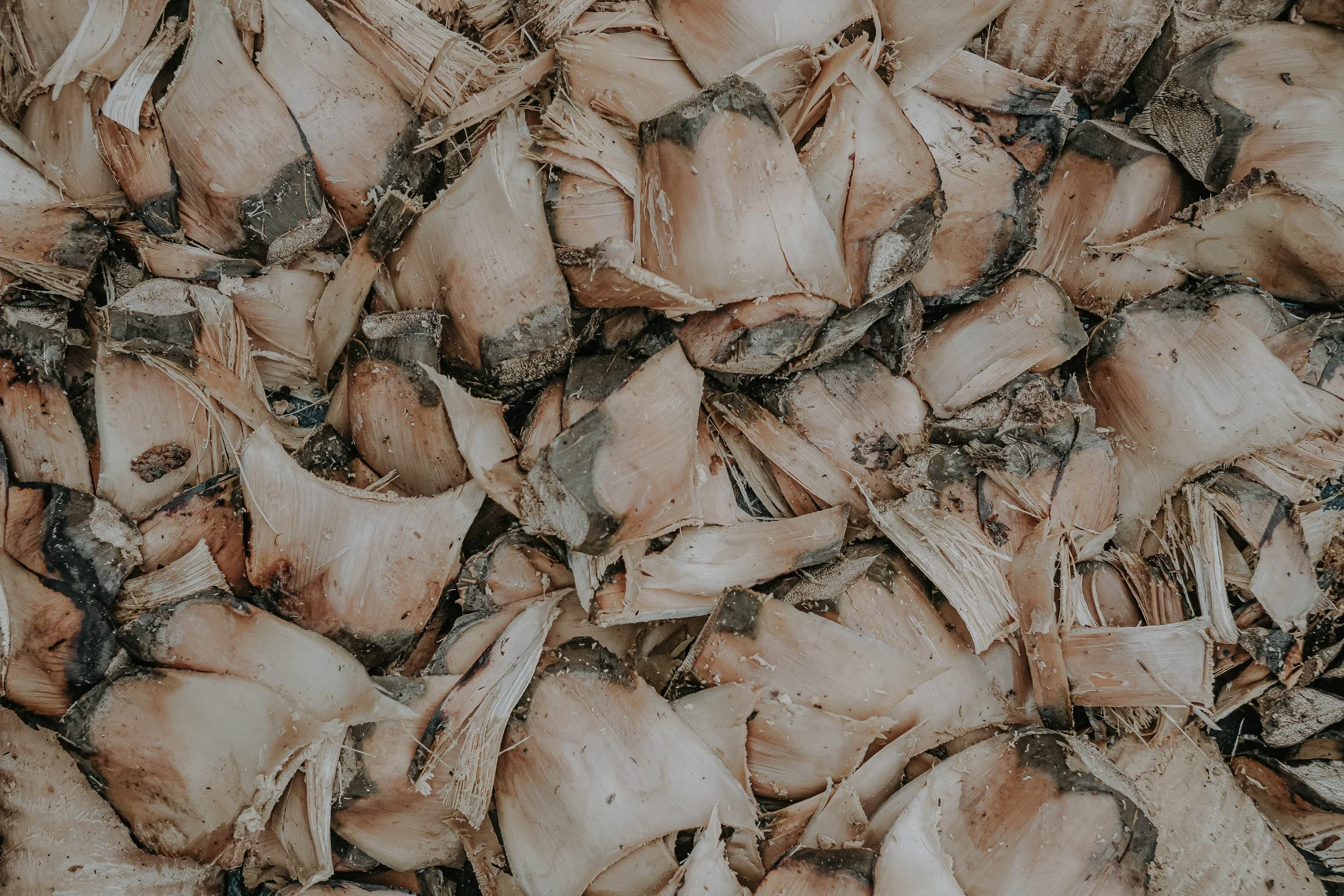
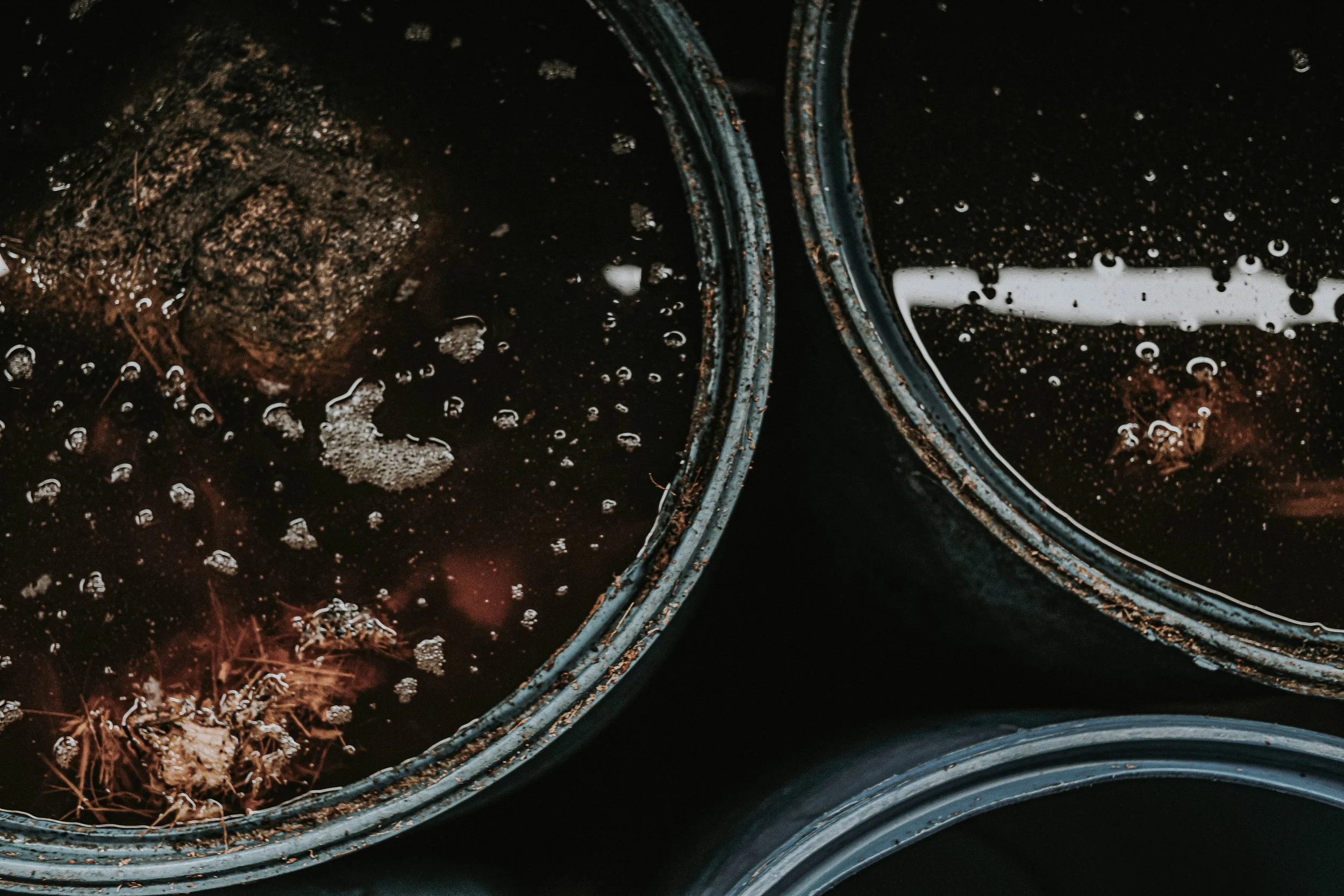
Cascahuin organized for us to receive agave from their preferred agave farmer at that moment. It was harvested in late February 7 year hand selected agave, 16 tons. It arrived at the distillery on the Saturday morning, split and then sat in the courtyard awaiting roasting on the Tuesday. It had a brix of 40 upon arrival and the few days of sitting prior to roasting intensified the sugars, un-recorded. Agave was roasted with a third going to tahona extraction and two thirds roller mill. The tahona extraction was fermented in a 10000 gallon pine wood tank and the roller mill extraction was fermented in open cement tanks with loose agave, bagasse.We did have plans to take some of the musto to Arturo Campos for distillation in clay at his palenque, as we did with our first production, but his truck broke down on his way to pick up the musto.
We distilled the tahona wood fermented and the roller mill/cement tank fermented separately. A few liters of puntas from both were bottled at 75% ABV at the very beginning of the hearts in the distillation. We also retained 20 liters of the tahona and roller mill distillations separately, to sample for our our learning and we buried those in glass at Casachuin.
We host a lunch for all that work at Cascahuin after every production we do with them, served up a banh mi style sandwich with plenty of beer and our new tequila.
We stood around and tasted with Maestro Dany and Tetsu at the lunch. The difference between the cement and wood fermentations is quite profound. Both have specific elements to them and wood fermentation is not the norm at Cascahuin. To the point where we had to have a technician come in and ready with the wooden tank for fermentation as out had been so long since last used. We will more often than not continue to wood ferment part of our future productions at Casachuin as there is a quality to wood fermentation that resonates with our palettes. Given we also rest our productions for so long before bottling we find that wood fermentation productions benefit greatly from the extra rest.
When tasting with Tetsu, Dany, Javi and I we decided, that for us, the quality of the blanco at Still Strength warranted only bottling at that mark. We also discussed our aging program at that point and had the barrels on site so we walked with Dany to inspect the barrels and stick our noses in them. Ex Chardonnay French oak barrels that had never been used for tequila or any other spirit aging program at that point and had held the Chardonnay for 36 months. When we sniffed the barrels we discussed the thought that these were going to be a good fit for aging.
We had 5 barrels and decided to immediately fill 2 with the still strength blanco, Dany mentioned that at high proof it will interact with the barrel more intensely and we should inspect no later than 30 days to see what has happened with the liquid. At 30 days the ABV was at 53.9% ABV and was astringent, as predicted. We’d planned on mixing blanco we’d reduced down to 44% ABV with this liquid but instead and under Dany’s guidance, because of the astringency we dropped the blanco to 42%. We then spread the high proof liquid that had been in the barrels for the last 30 days across 4 barrels, leaving each of the 4 with 100 liters of this high proof tequila.
We then added 100 liters of the 42% ABV to each of these 4 barrels leaving a mix of 100 liters at 53.9% & 100 liters 42% ABV in each of the 4 barrels. We also added to each of the barrels roasted agave in what is best thought of as a giant natural cotton tea bag or sock. We are connected to organic Mexican cotton farmers via Javi’s mother in law Toosi and she makes the socks for us.
A sample of all 4 barrels was done about half way into their official repo journal, all four were quite different. One particularly in color and the others in terms of their interaction with the barrels. What was clear was that the barrels that held the high proof liquid for that first 30 days were vastly different from the other 2. The higher proof barrels were far drier in mouth feel as Dany had suggested, that the still strength would go deeper into the barrel and this continued on even after we’d lowered the mix of ABV in the barrels.
At around 75 days we did our next tasting and the alterations had again almost flipped in terms of what they’d initially sampled as and where they were at now. The drier still had that feel but had transferred between that and the prominence of the agave. The other barrels, not having held the initial high proof and moved towards a greater balance amongst all the elements of the aging program, which was a quality not featured by any of them at 30 days.
We again sat with Dany as we sampled all of these different barrels and the choices were made on next steps for each one with them going to rest in glass to stabilize for a minimum of 30 days. We discussed the Joven we were to produce and Dany suggested a 70% blanco @ 48% and 30% repo at 47 to 48% ABV at that point. We decided on a particular barrel, the driest as we planned on resting the liquid in a stainless steel tank, once combined and again adding roasted agave whilst it rested as a thought on balancing the drones with the extra caramelization that will come from resting it with the roasted agave in the tank.
Javi and I prior to this tasting had driven to Puerto Vallarta to pick up some raicilla and Javi raised the point of how some cognac, brandy producers always have a production/bottling that holds some liquid from every production they have ever done. We as a part of our first production retained 60 liters of our first ever production at Cascahuin in glass carafes. We also retained some bottles of our first ever reposado as well, the one and only barrel from our first production.
We decided on that drive that as a part of all our upcoming productions we will release a very limited ‘El Madre’ bottling. On this very first we are retaining 80 liters of our Still Strength Blanco from production 2 and mixing that with some of still strength blanco from production 1 in 2021 and resting that in glass together. We have started another barrel at 48% of our production 2 blanco, some still strength blanco from our first production and some of our first ever reposado production at 42% all in the favorite of our barrels from this most recent aging program from production 2.
We are monitoring how this ages in the barrel, it is again sitting with roasted agave as it rests and at some point in the future we will release our first ‘El Madre’ bottling from our years of work with Cascahuin and will continue to top so for as long as we continue to work together.