

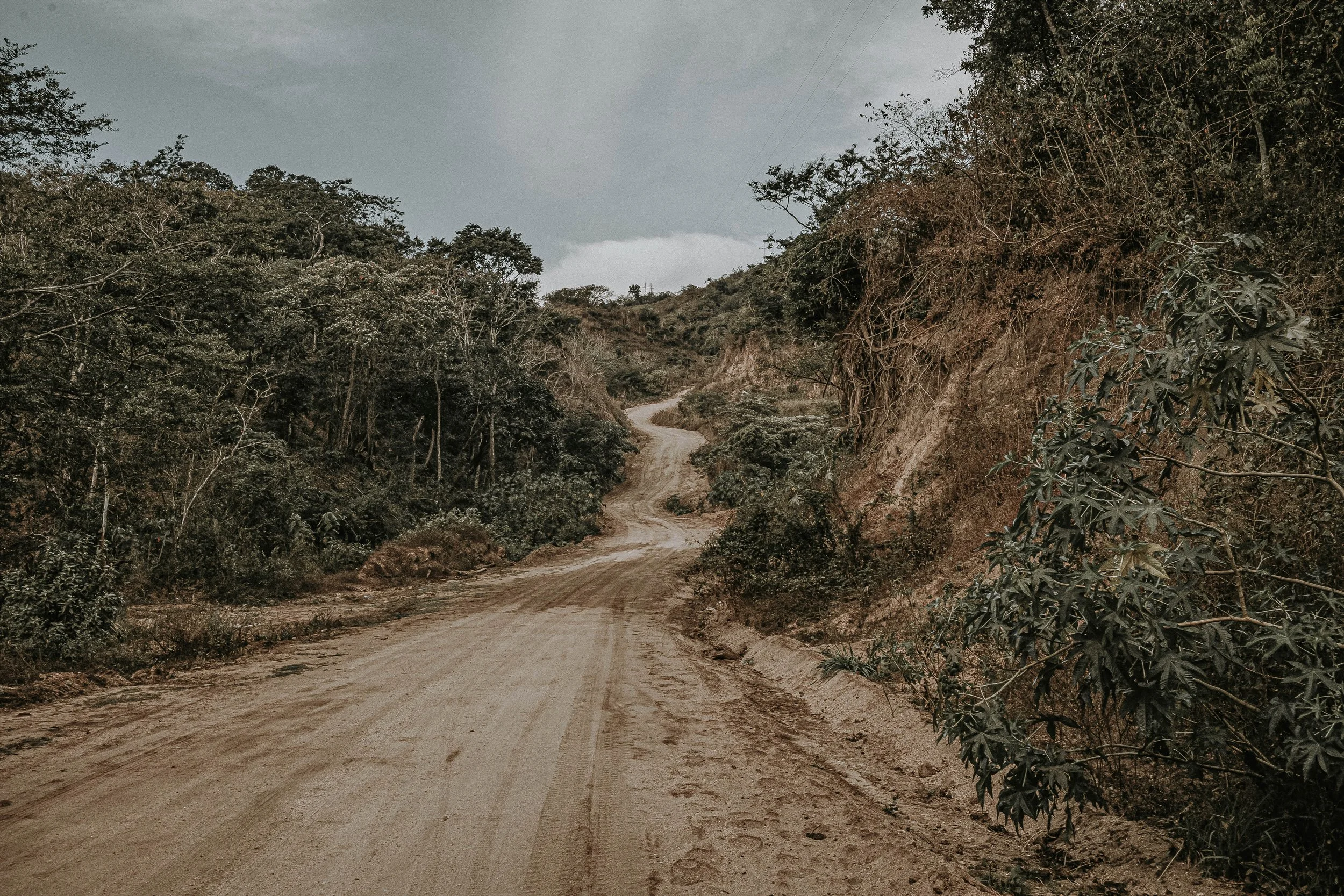
PROCESS
EACH PRODUCTION IS THE EXPRESSION OF A MAESTRO’S MOMENT WITH AGAVE
Every Harvest Has Its Own Story.
Each agave distillate is the result of many individual decisions. Some begin in the field years before harvest. Others are made during cooking, fermentation, distillation or maturation. Many are shaped by the experience of the people involved and by the conditions surrounding each production.
The archive records these stages to provide context for each release.
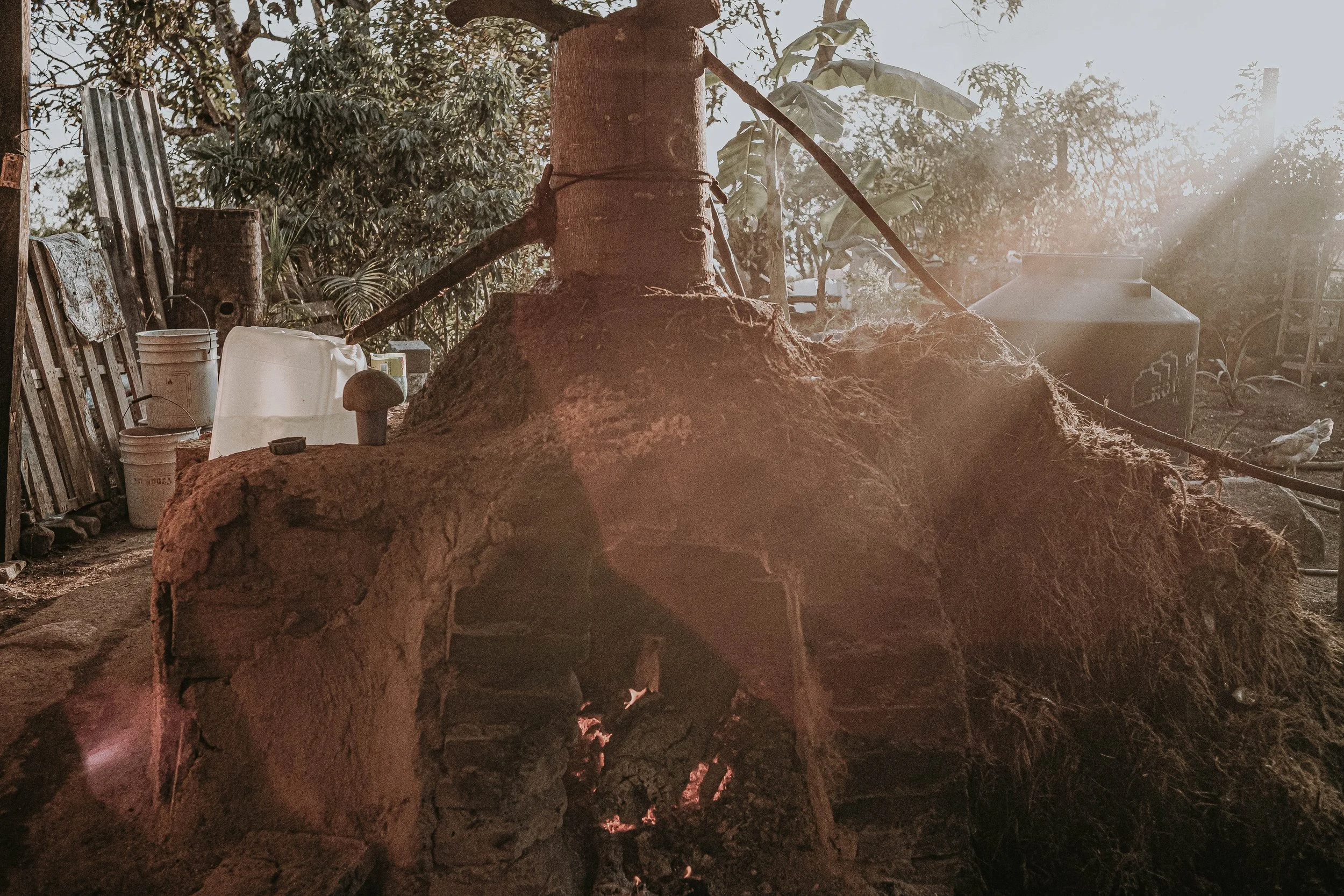
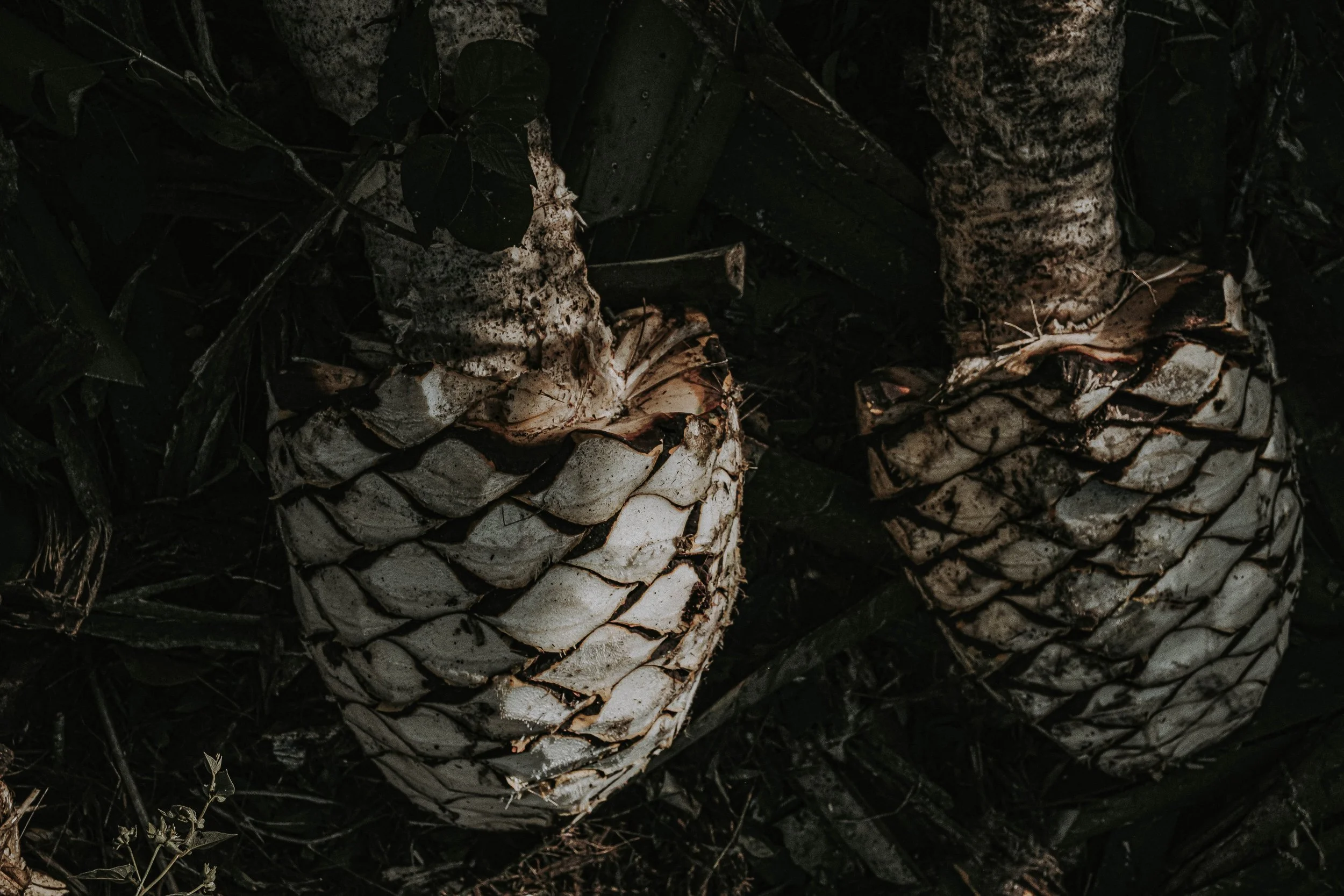
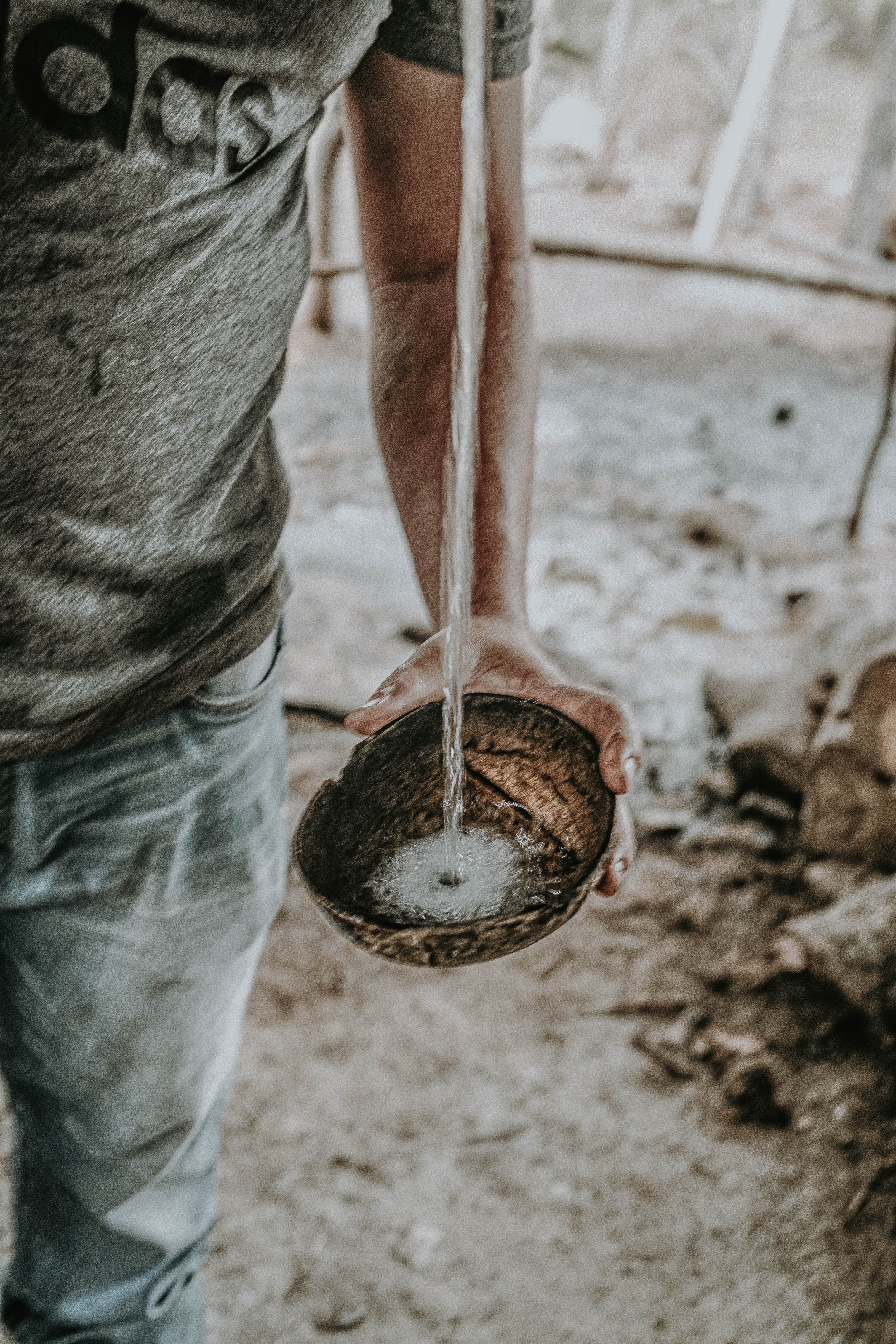
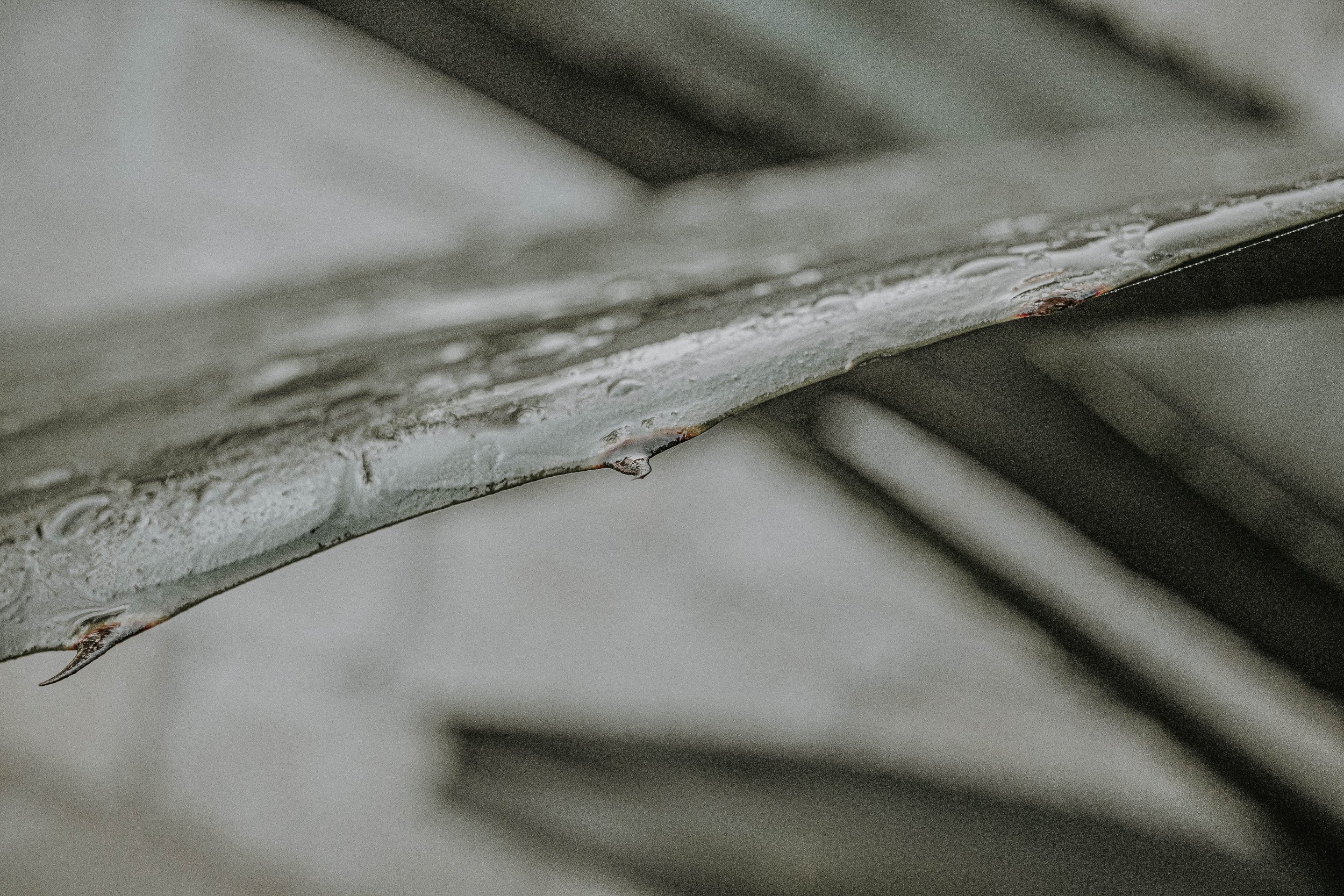
Agave Destilados documents the people, places and decisions that shape agave distillates. The archive is the work; the bottle is simply one outcome of that work.
Each archive preserves the decisions that shaped that production.
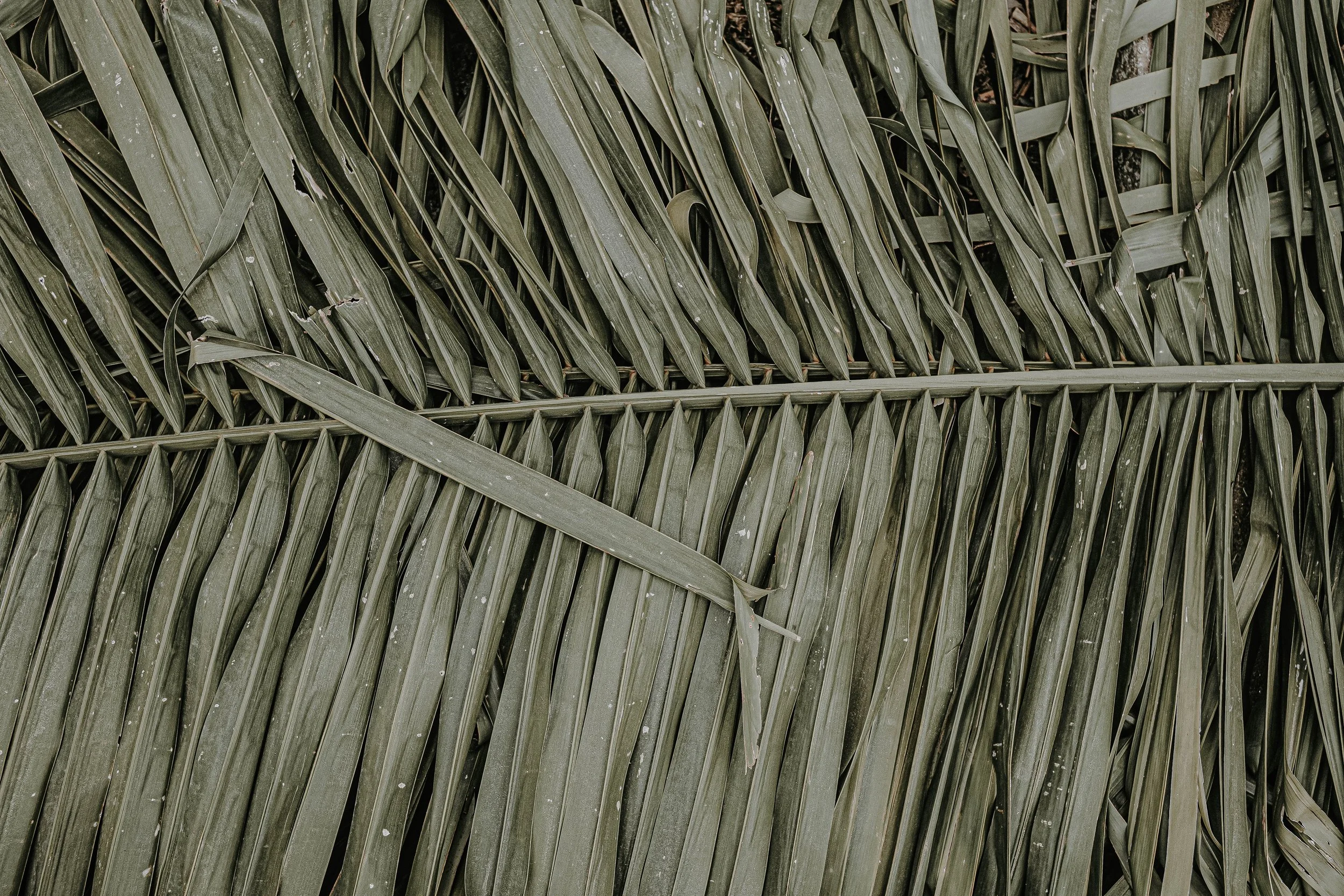
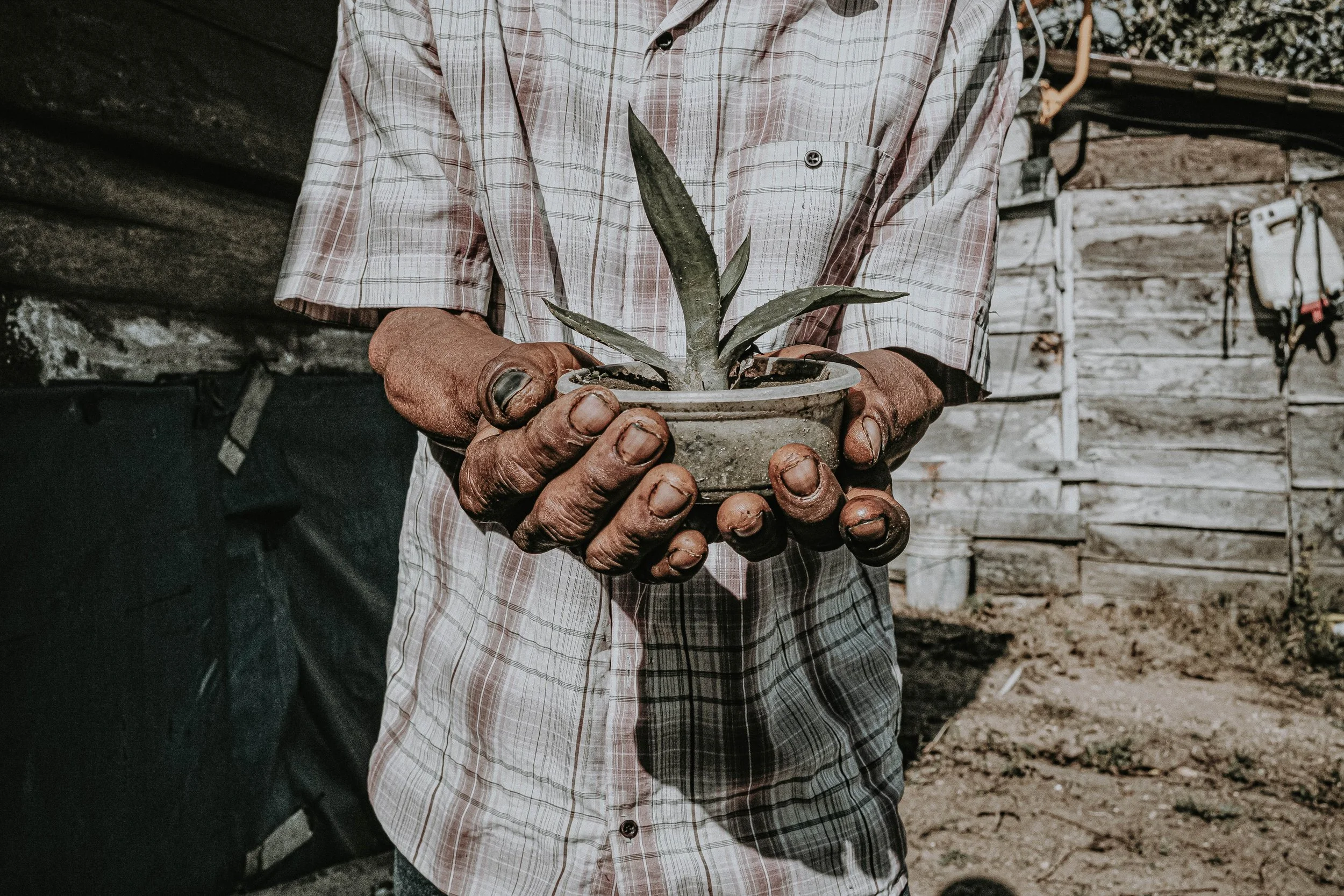
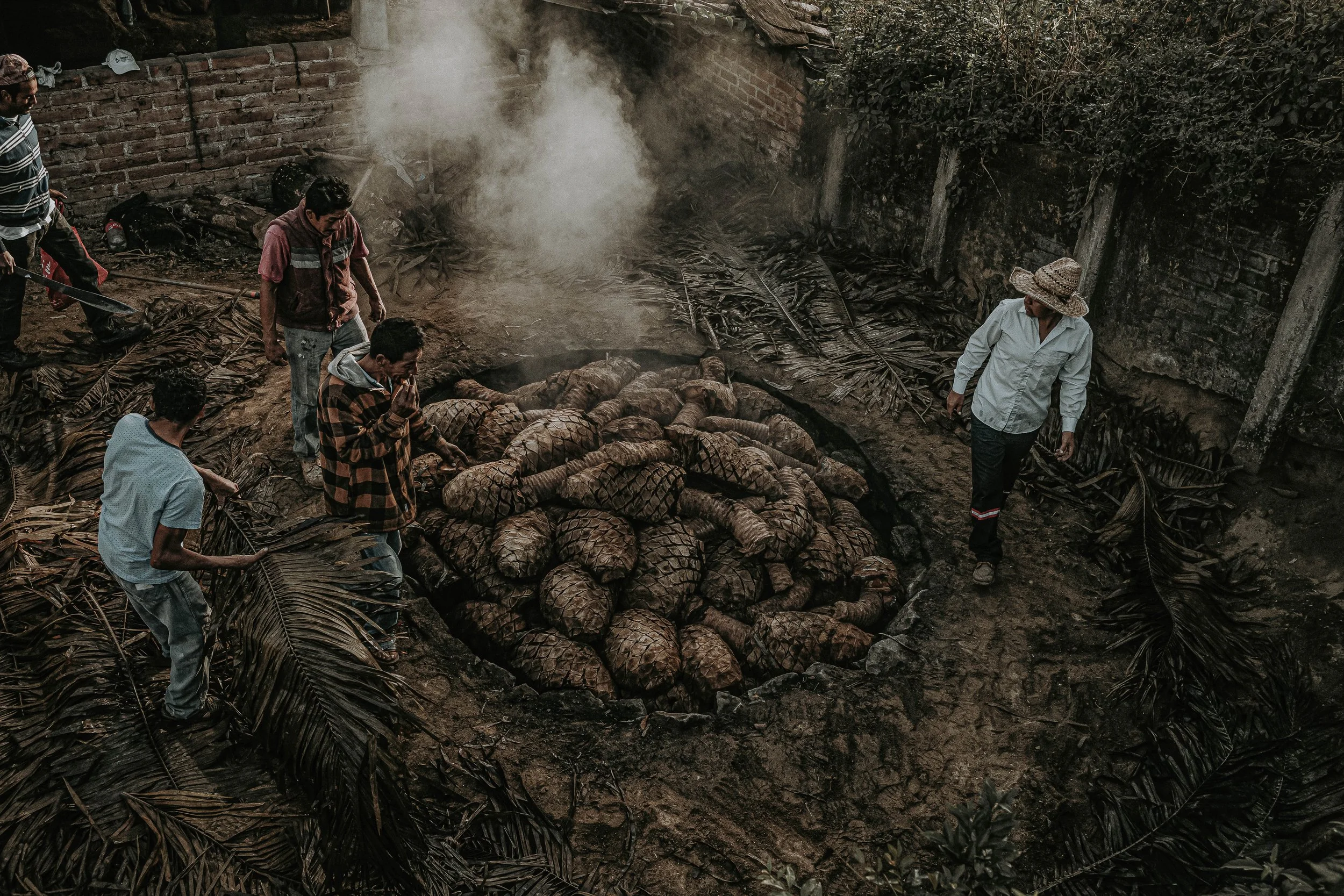
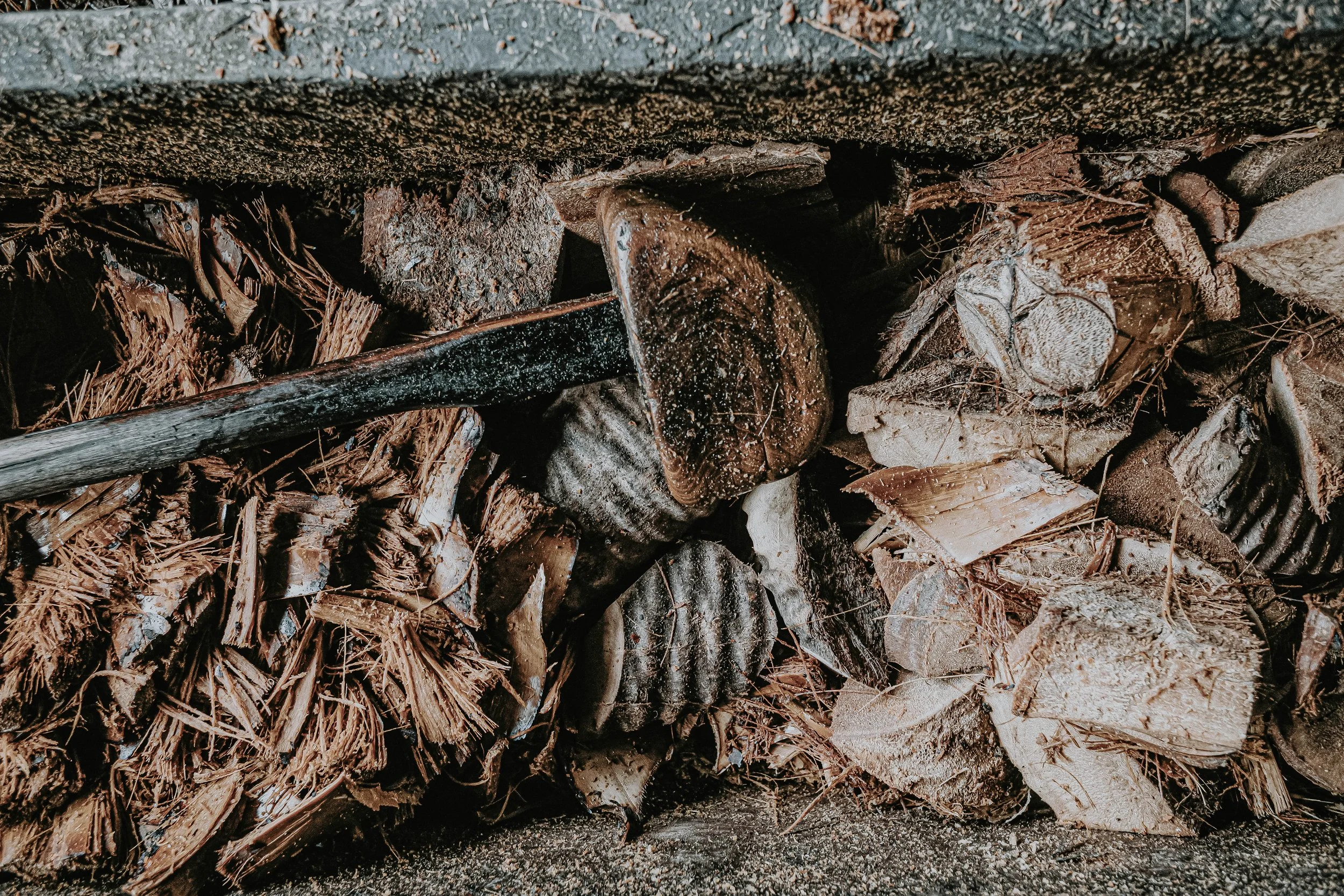
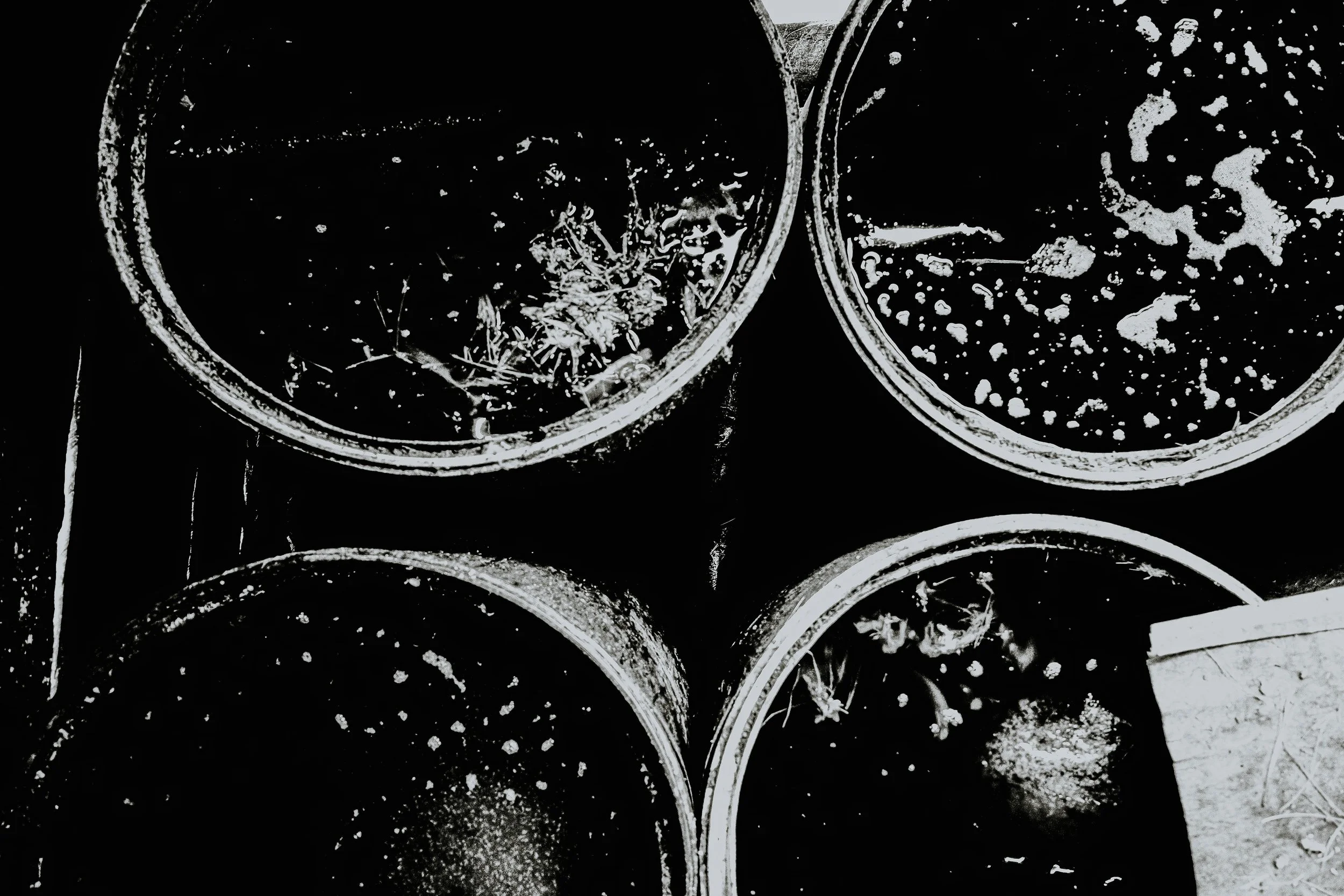
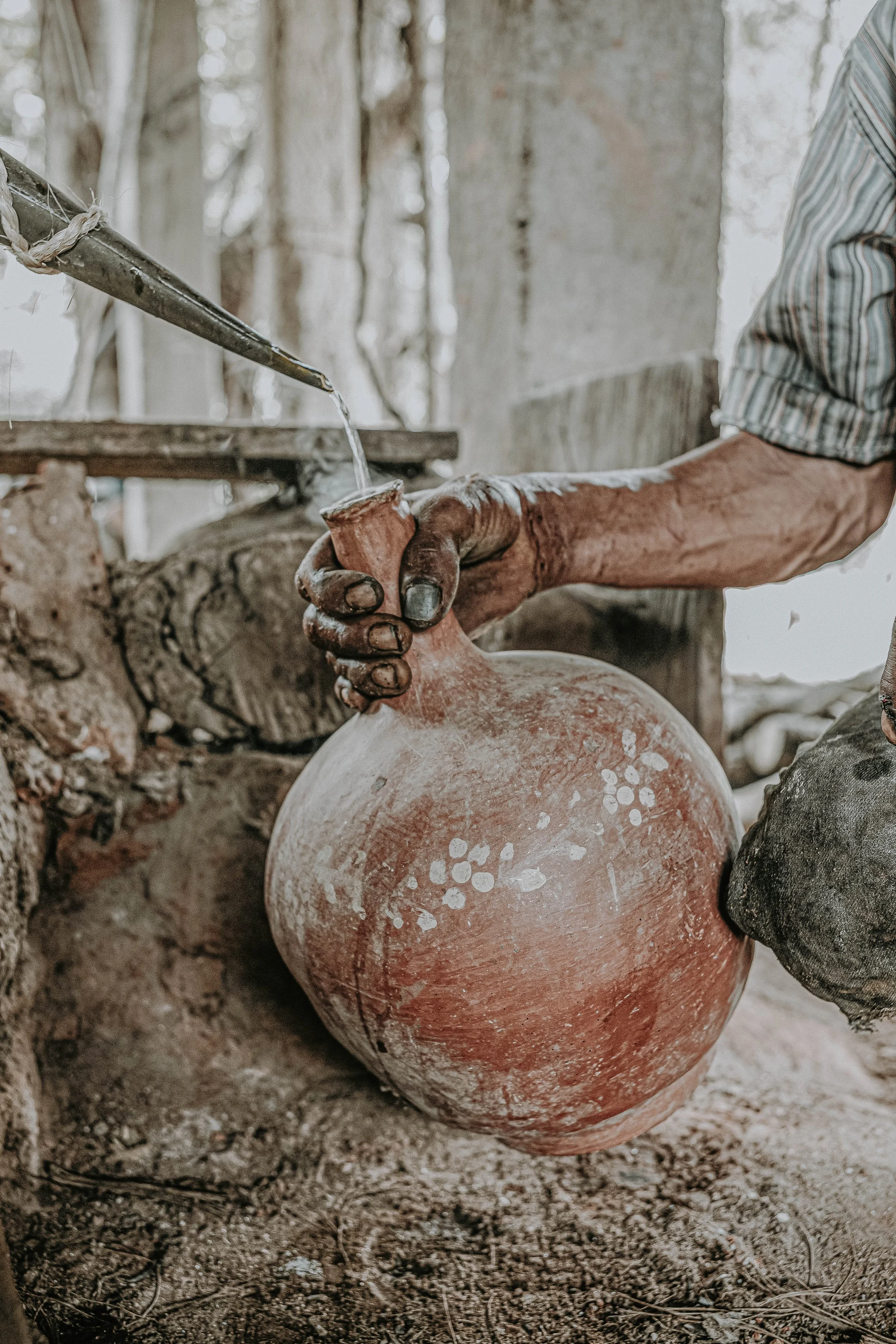
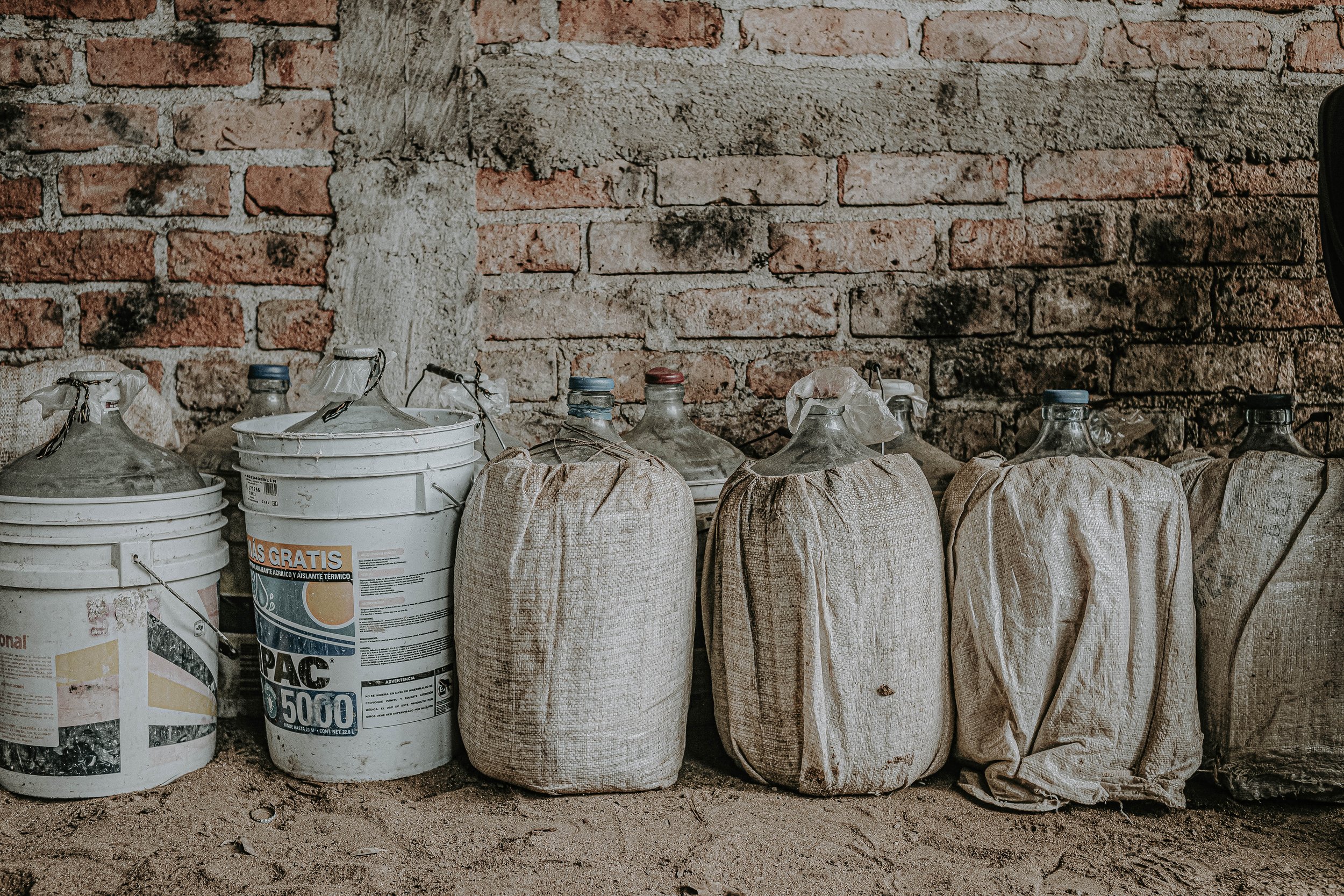
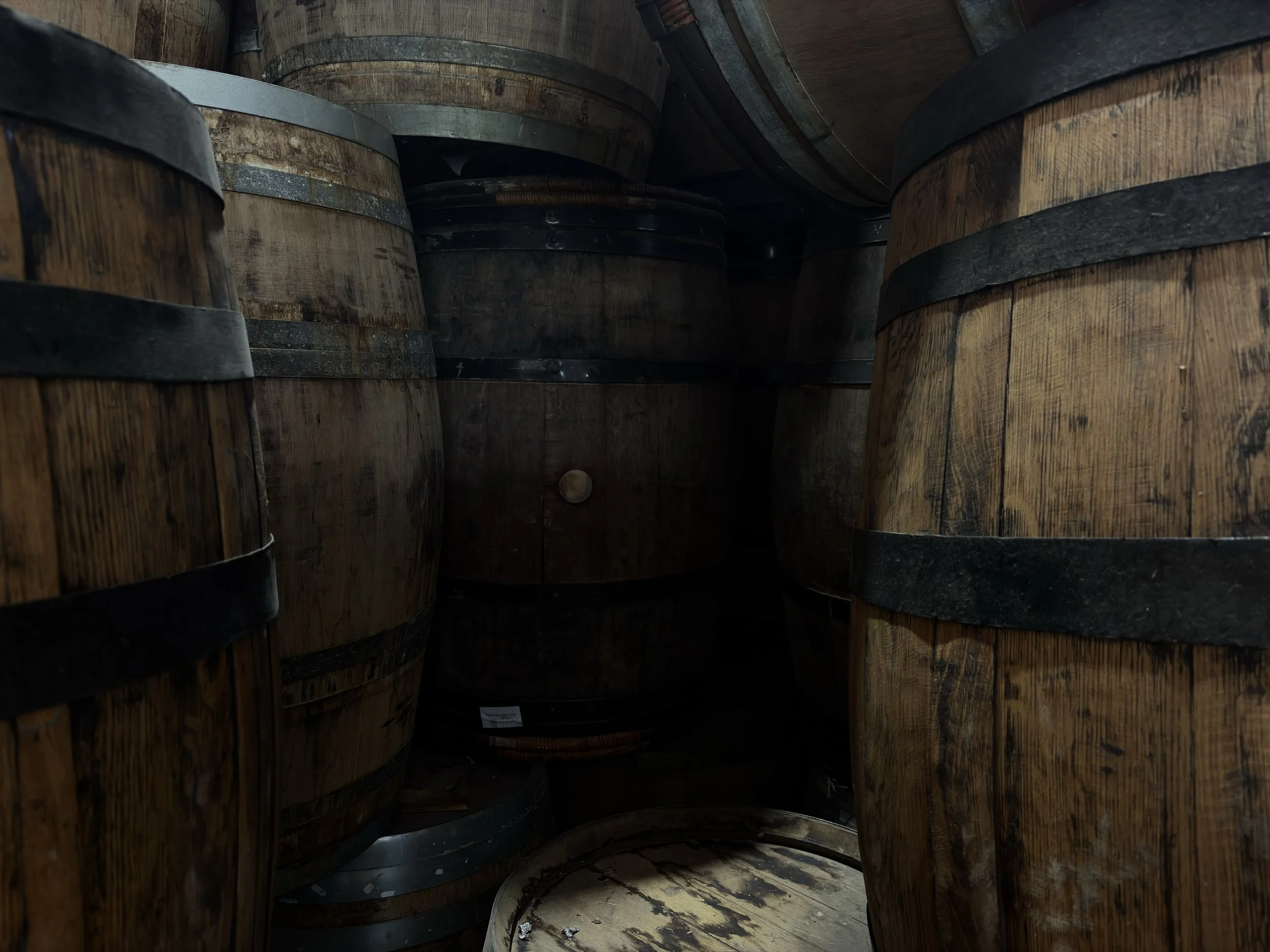
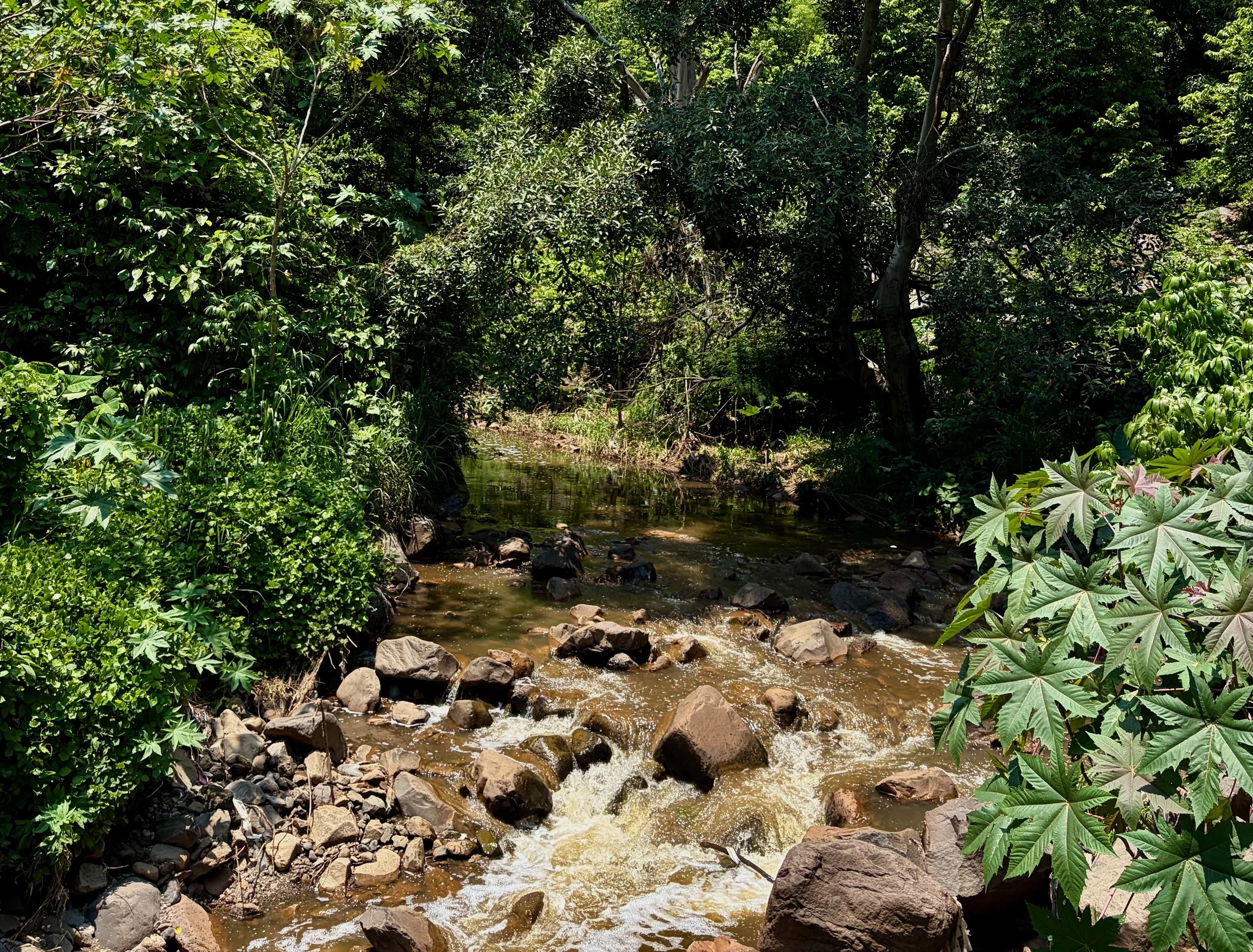
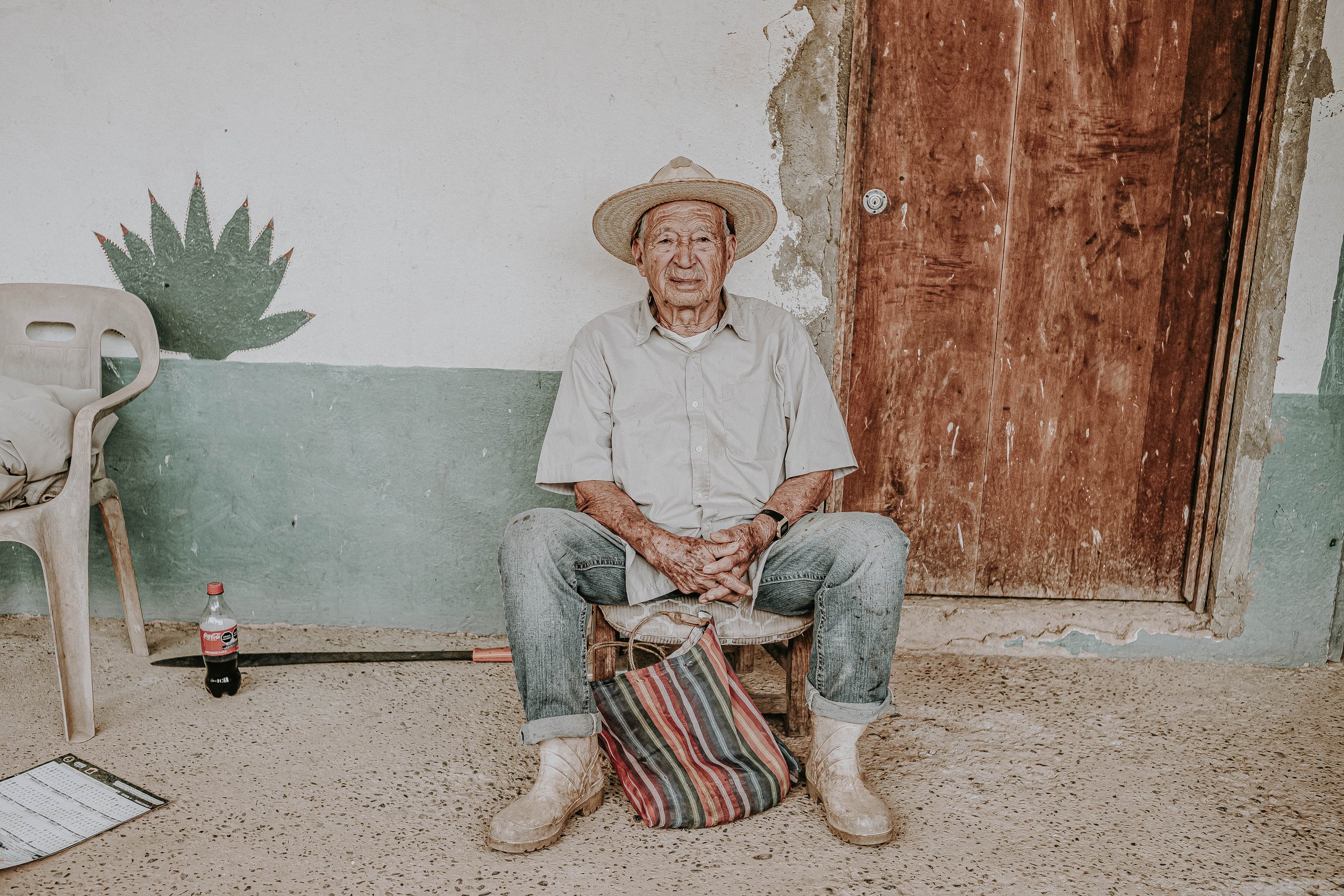
01 — FIELD & HARVEST
Every production begins long before cooking or distillation.
The condition of the agave, the environment in which it was grown and the judgement of those selecting the plants establish the foundation of the production. Harvest timing, plant maturity and local growing conditions all contribute to the characteristics of the harvested agave.
Where available, these details form the opening section of the production record.
Production Record
Agave species or variety
Region
Rancho or field
Elevation
Soil characteristics
Estimated plant age
Harvest season
Harvest dates
Harvest team
Average piña weight
Brix
02 — COOKING
Cooking converts the carbohydrates stored within the agave into fermentable sugars.
Cooking methods differ between producers and may be influenced by local traditions, available equipment and the objectives of a particular production. Duration, cooling time and oven design all become part of the production record.
Production Record
Cooking method
Oven type
Fuel source (where applicable)
Cooking duration
Cooling duration
Batch size
03 — EXTRACTION
Extraction separates fermentable juice from the cooked agave.
A production may rely on a single extraction method or combine multiple approaches. Each method influences workflow and forms part of the documented production record.
Production Record
Extraction method(s)
Tahona percentage (where applicable)
Roller mill percentage (where applicable)
Bagasse inclusion
Fibre management
04 — FERMENTATION
Fermentation transforms fermentable sugars into alcohol through the activity of yeast and naturally occurring microorganisms.
Duration, environmental conditions, fermentation vessels and production choices vary between producers and individual batches. These variables are documented where available.
Production Record
Fermentation vessel
Yeast source (where known)
Open or closed fermentation
Bagasse inclusion
Water source
Fermentation duration
Temperature (where recorded)
Initial and final Brix (where recorded)
05 — DISTILLATION
Distillation concentrates alcohol and aromatic compounds produced during fermentation.
Equipment, distillation sequence and the decisions made throughout the process differ between productions. These details are documented to provide context for each release.
Production Record
Still type
Material
Number of distillations
Distillation method
Distillation proof
Heads, hearts and tails management (where documented)
06 — RESTING
Not every production moves directly from distillation to bottling.
Some distillates are rested in stainless steel, glass or other inert vessels before bottling. Resting allows the spirit to stabilise without introducing characteristics from wood.
Production Record
Vessel type
Resting duration
Storage conditions (where available)
Bottling proof
07 — MATURATION
Some productions continue beyond resting through maturation in wood.
Barrel type, previous use, environmental conditions and time all contribute to the resulting distillate. These details are documented alongside the broader production record rather than viewed in isolation.
Production Record
Barrel type
Previous barrel contents
Cooperage (where known)
Barrel size
Entry proof
Time in wood
Warehouse or storage location
Bottling proof
08 — WATER
Water influences multiple stages of production, from fermentation through to proofing before bottling.
Where information is available, the archive documents the source and treatment of water used throughout production.
Production Record
Water source
Filtration or treatment
Water used for proofing
Mineral information (where available)
09 — PEOPLE & PLACE
Every production reflects the work of many individuals.
Farmers, harvest teams, cooks, mill operators, fermentation teams, distillers, coopers, bottling teams and countless others contribute knowledge and experience throughout the process.
Whenever possible, the archive documents the people involved alongside the production itself.
Production Record
Producer
Maestro or production lead
Harvest team
Distillation team
Collaborators
Production dates
Production location